Lace et al.
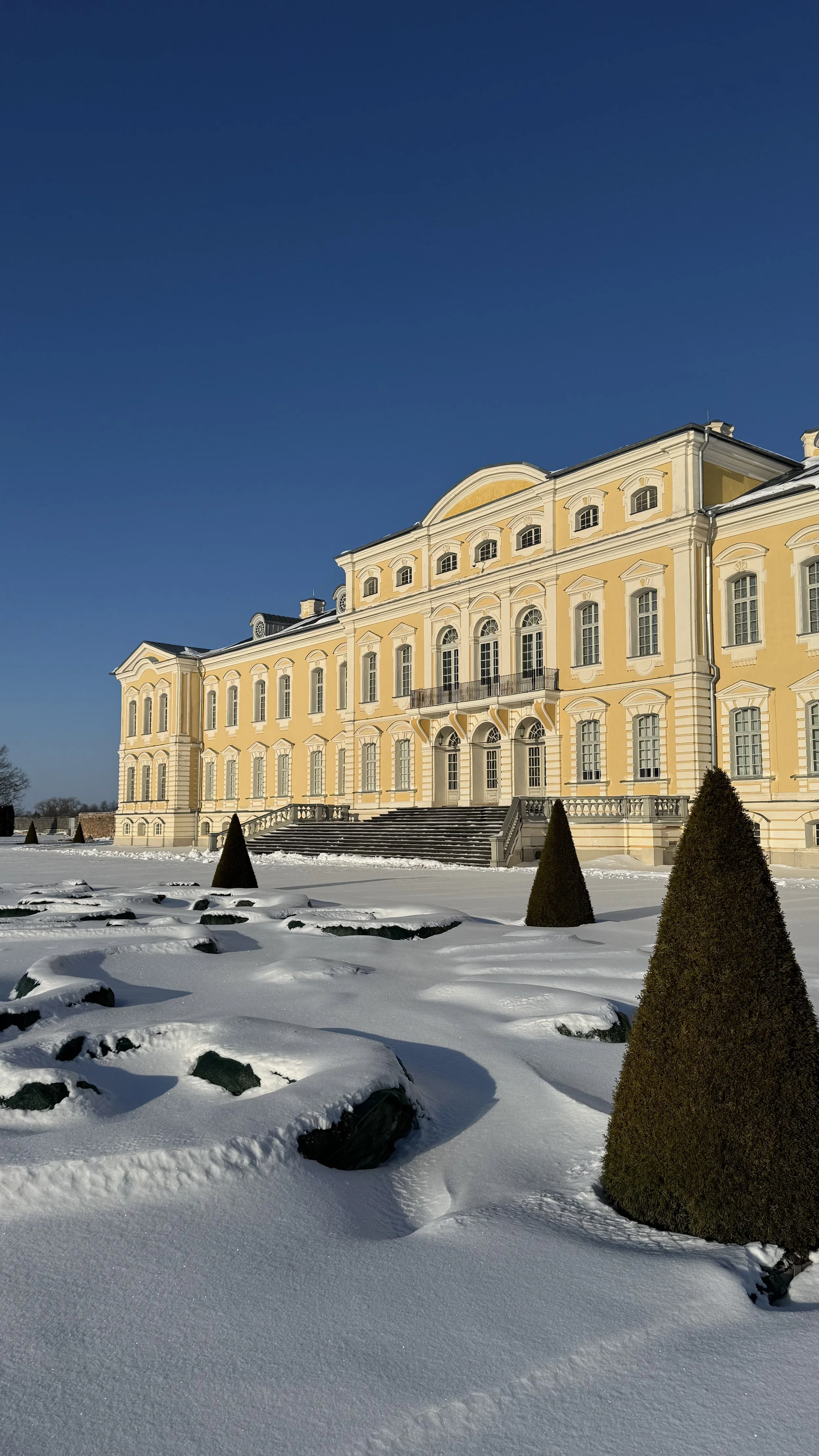
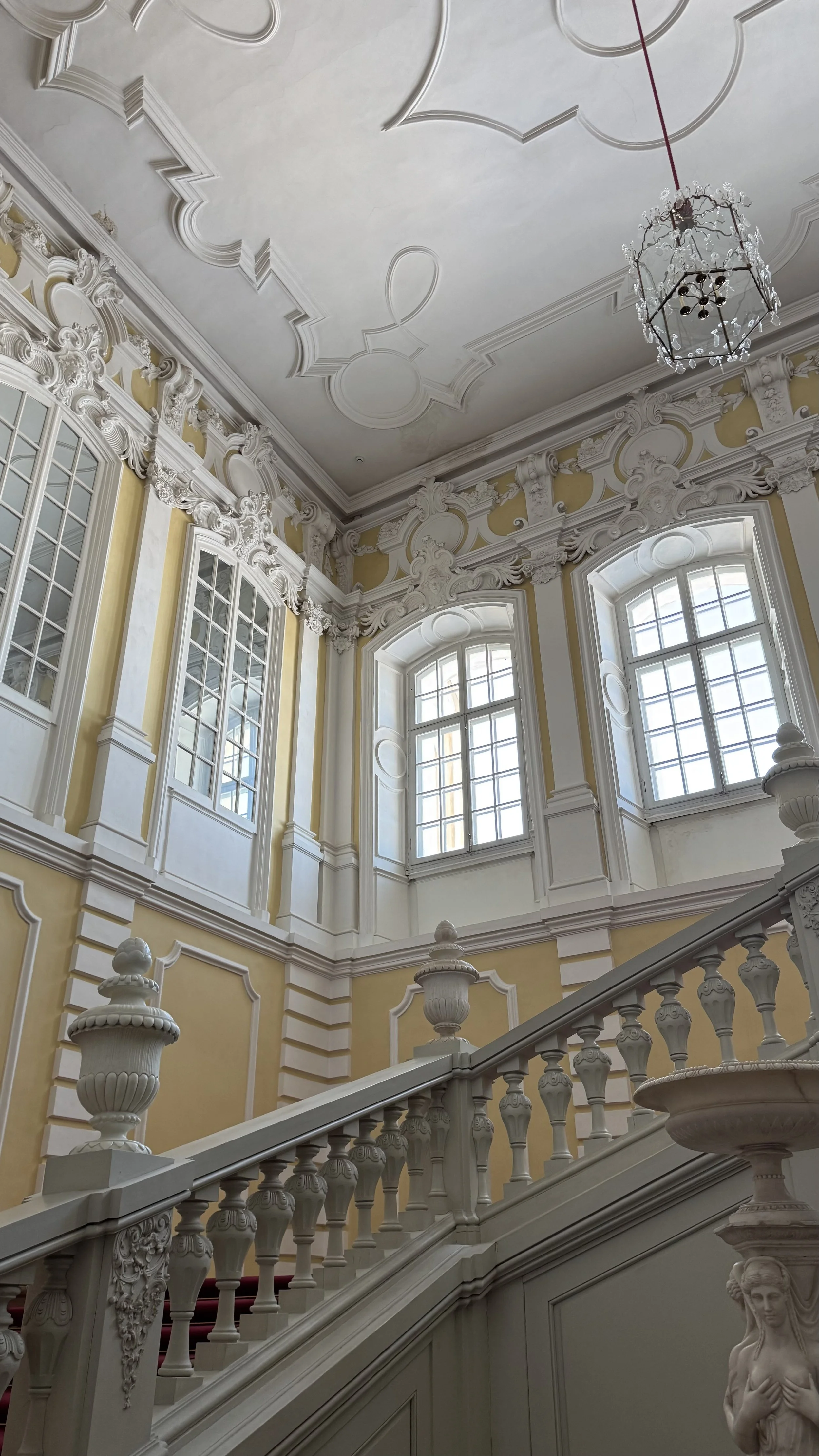
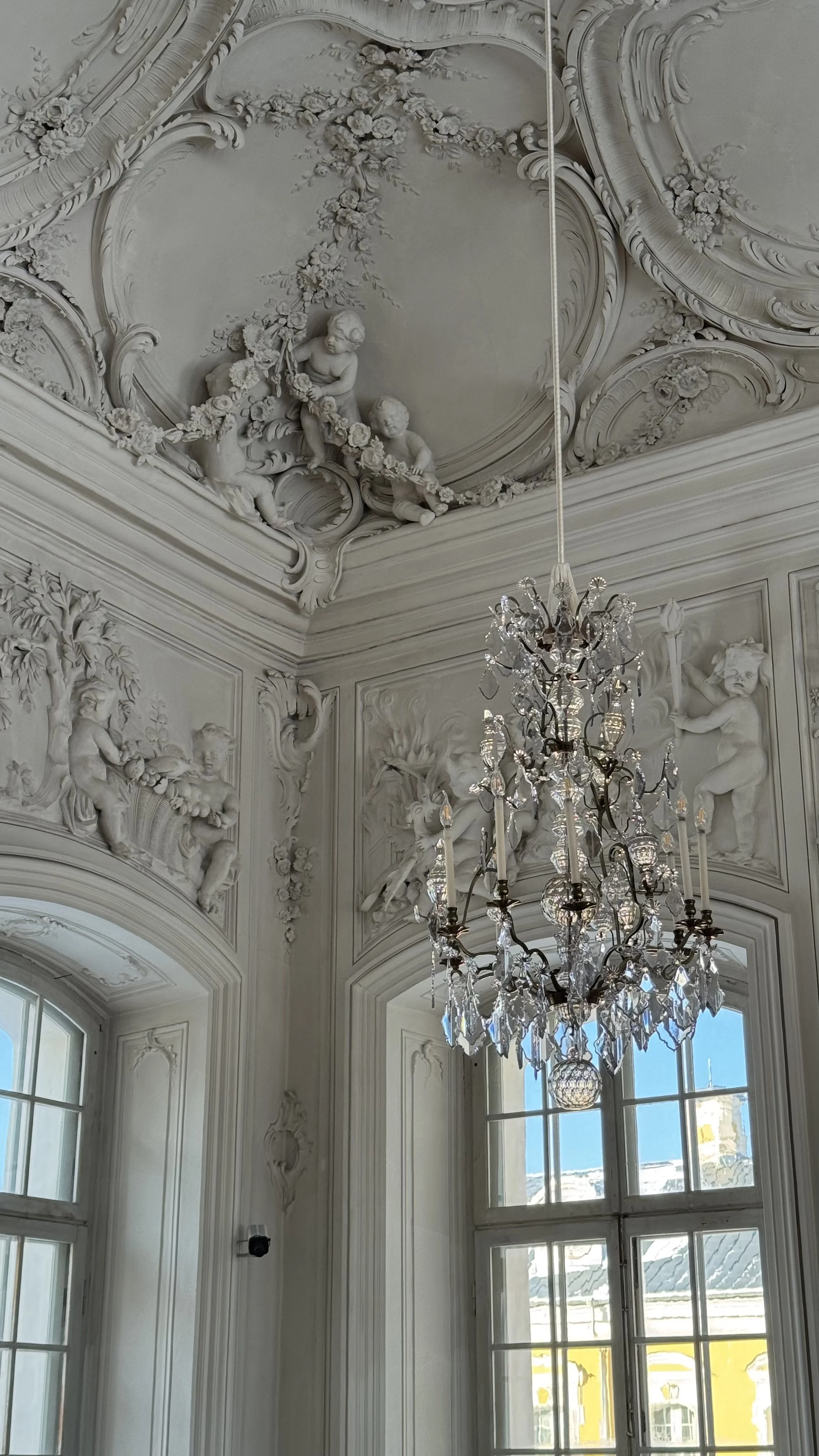
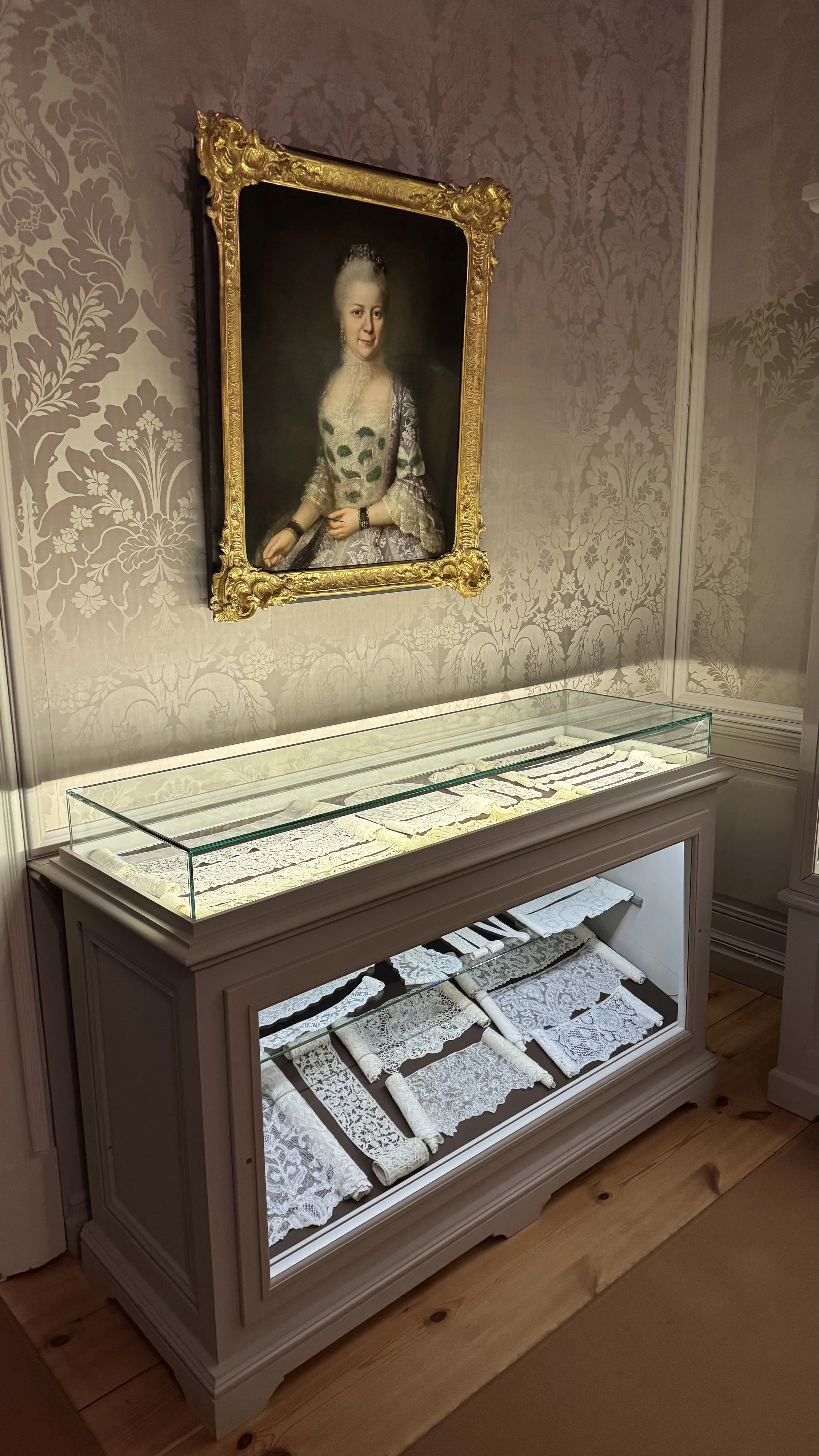
Last weekend, I headed to Rundāle Palace with my students from last year to pick up a long-awaited "dessert"—Lauma Lancmane’s new book on antique lace. Stitched lace has been one of my interests for a long time, reminding me of its existence every now and then. This time, when I spotted the new book, I knew such a book had to be bought specifically at Rundāle, paired with a tour of the palace.
A trip to Rundāle is a "to-do" for Latvians every few years. For me, it has always fallen during the absolute off-season, when looking through the palace windows at the covered, wintered-over roses makes them look like little corpses in the garden. I joked with the girls that if we had decided to visit on a beautiful, snowy, sunny winter day, that day would never have come — but this time, everything aligned, and our little "class" trip fulfilled my winter-loving heart.
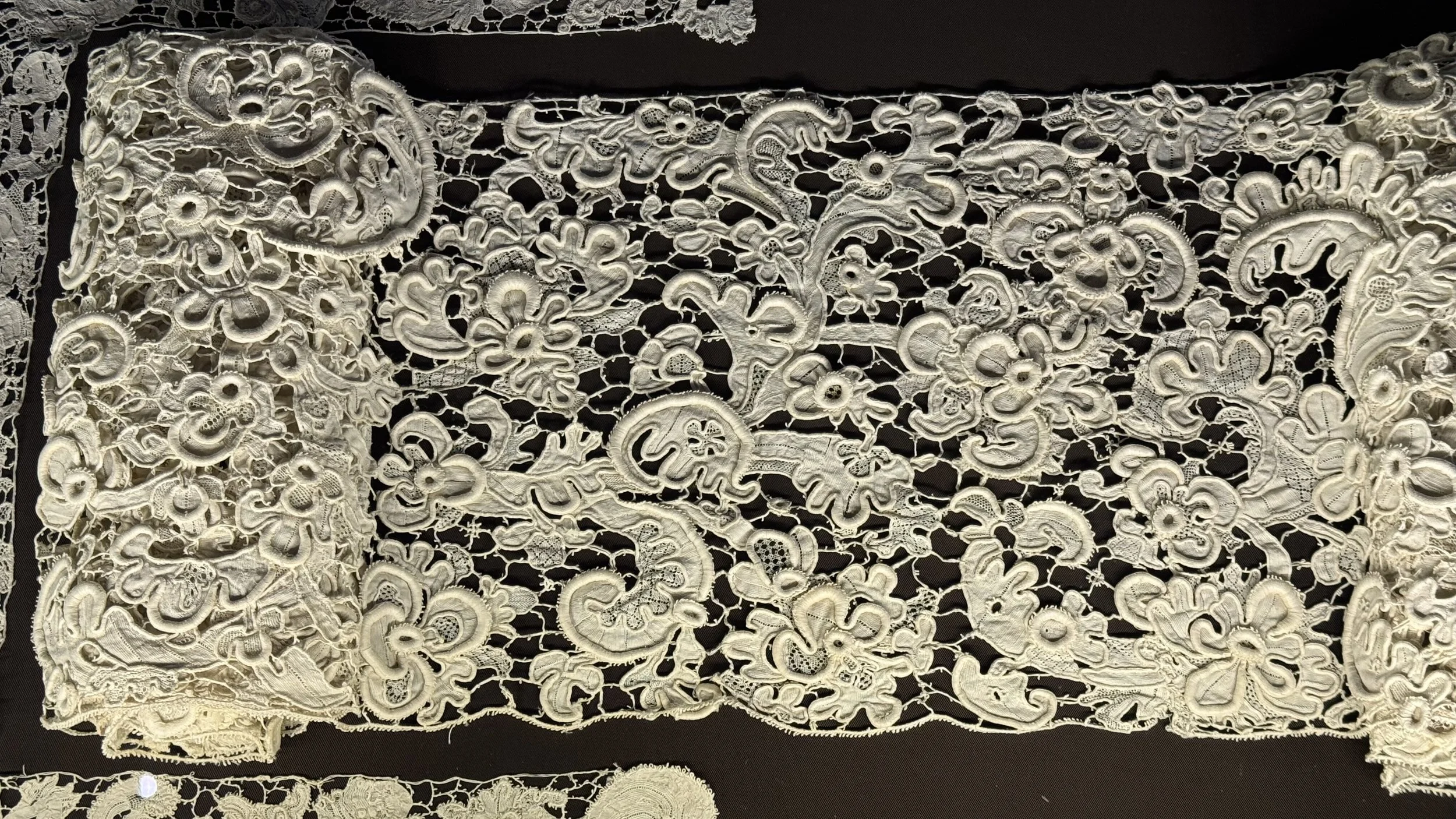
A week has passed; I have diligently read and studied Ancient Lace, and I am mostly thrilled to have a high-quality publication on embroidery that is in both Latvian and English, written in academic language. In my classes, I always tell everyone that I’m not the kind of embroiderer who buys every book related to embroidery; I have one big handbook from my alma mater RSN and that is enough. However, I often lack the words in Latvian to describe and explain technical nuances. English terms explain much more to me than Latvian ones, so I am genuinely happy that I can now polish my vocabulary in Latvian as well.
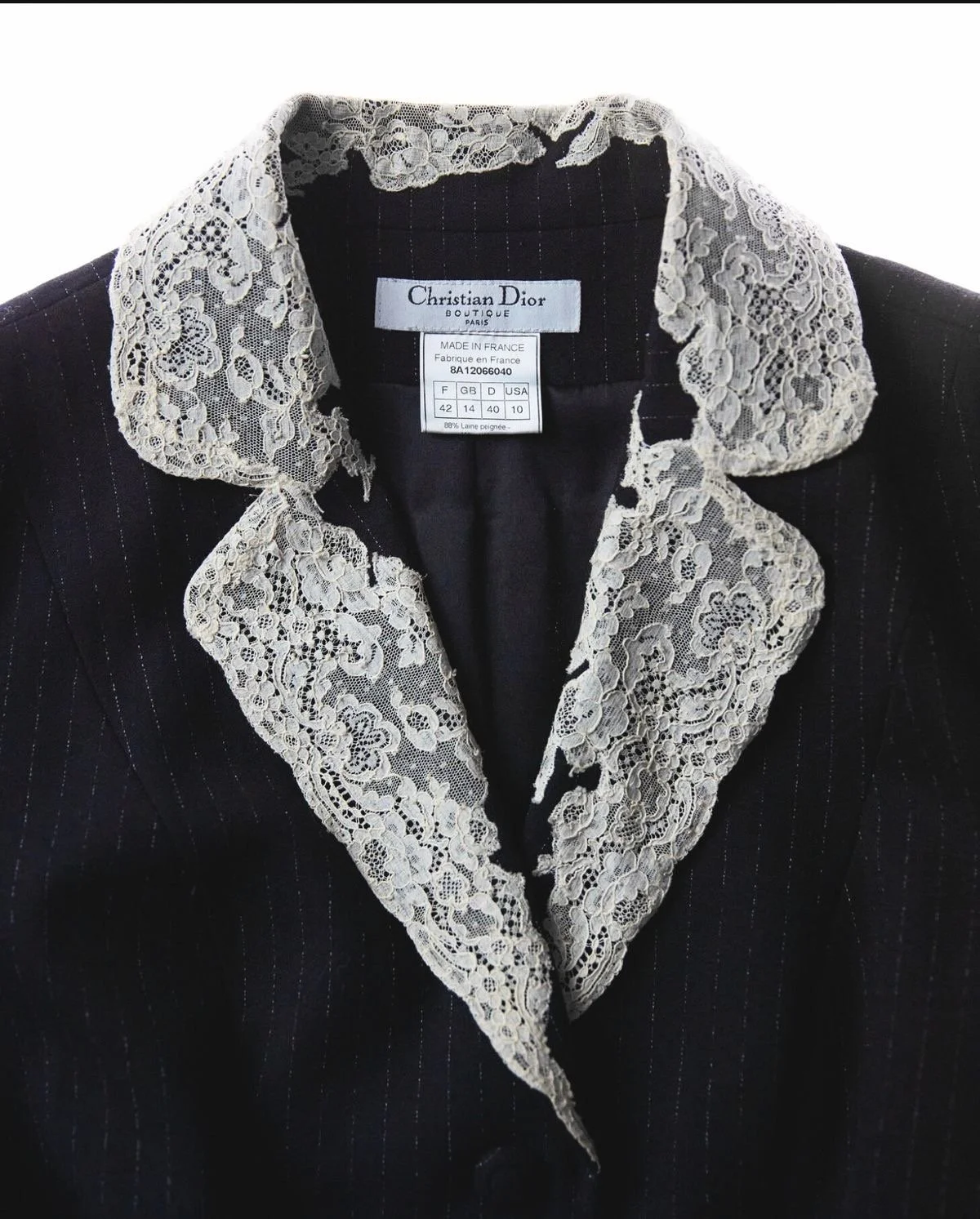
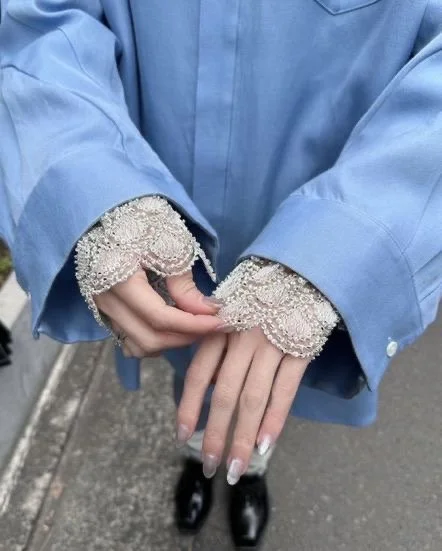
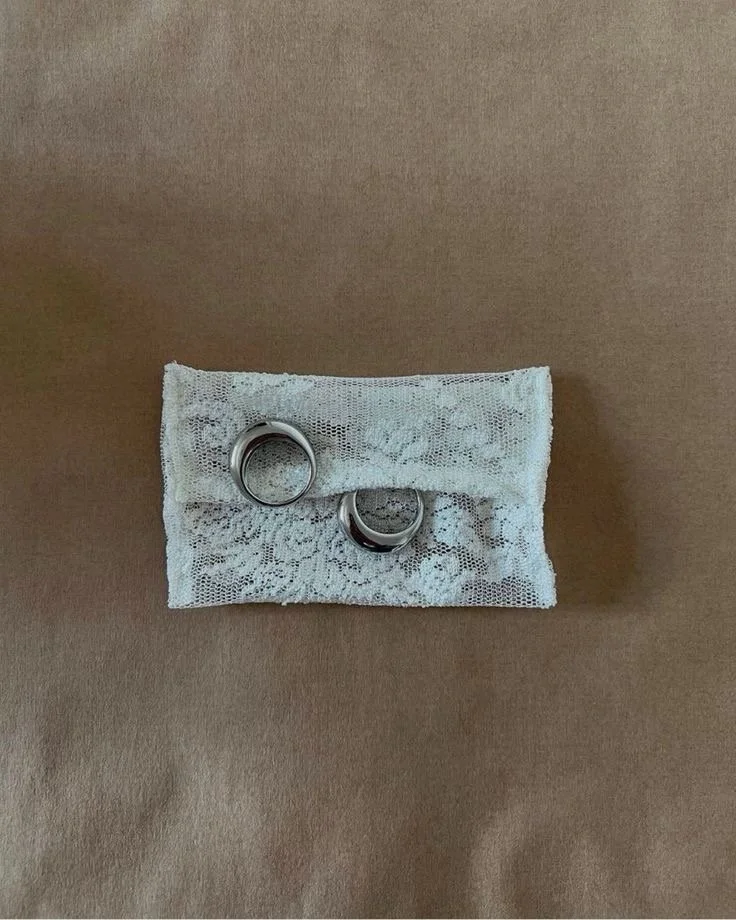
Yesterday, I sat down to structure the various lace techniques — where they originated and how they are made — because my main goal for this venture is to stitch my own lace. I tried to define the elements that make lace lace, and which ones I personally like: I love Dresden work with its pulled-thread stitches, though they are very rhythmic, but my heart truly belongs to Venetian lace. Looking at the Rundāle collection and ancient lace in general, even though I understand the principles of making them and am technically trained in many aspects, their sheer fineness simply leaves me speechless. I’m curious to see how I would do sewing such delicate lace; perhaps this challenge lies in my near, or maybe distant, future.
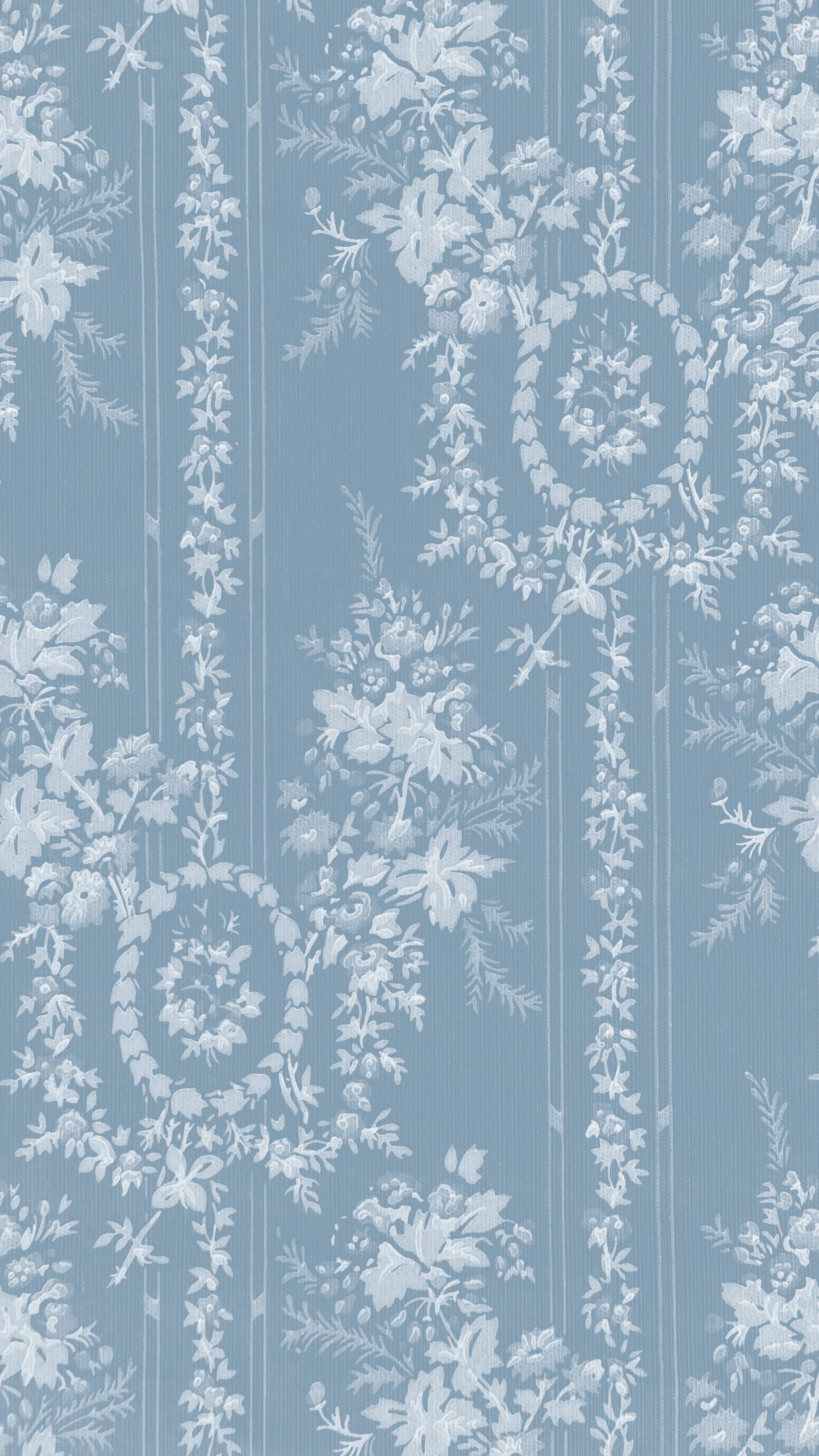
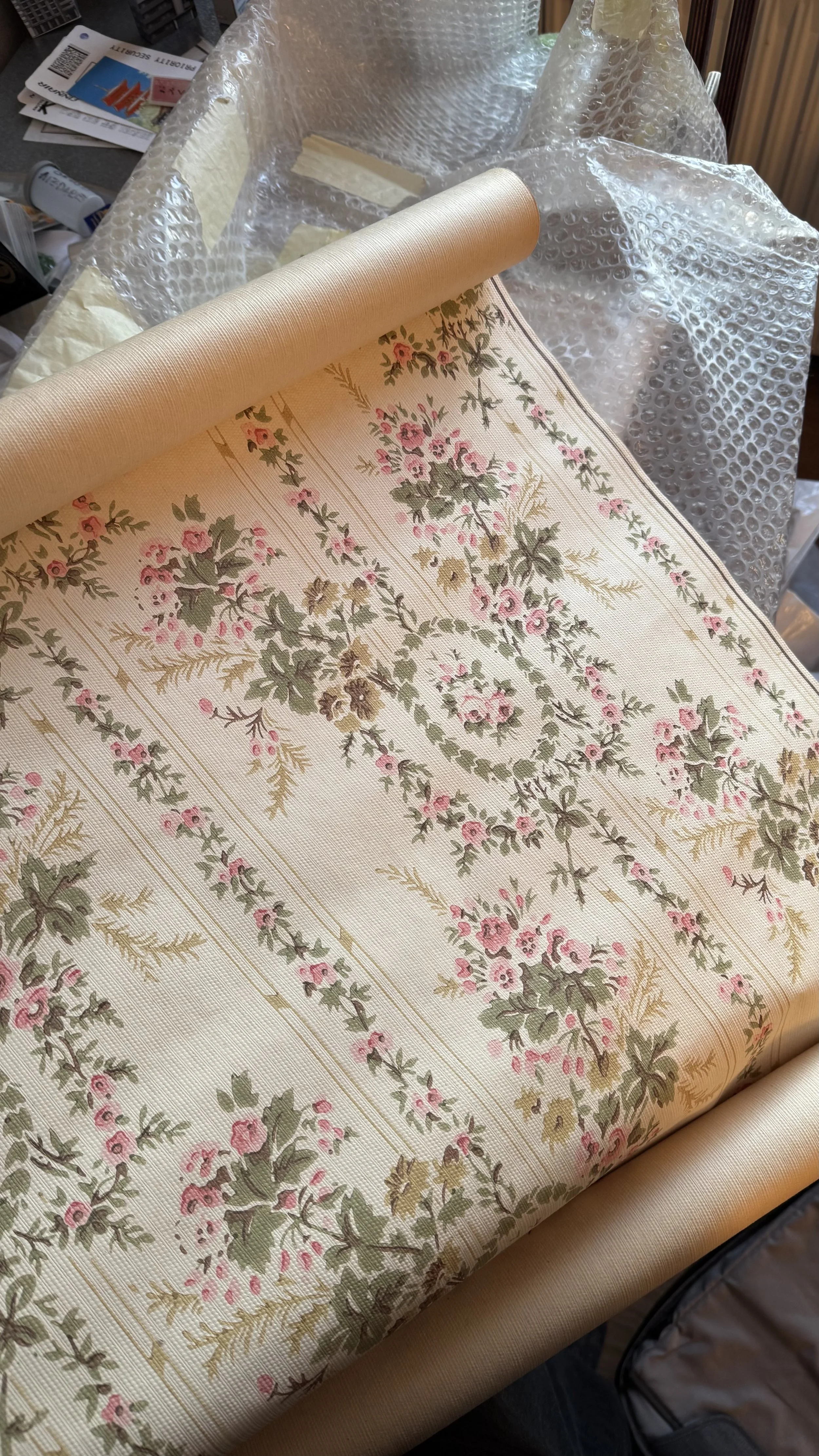
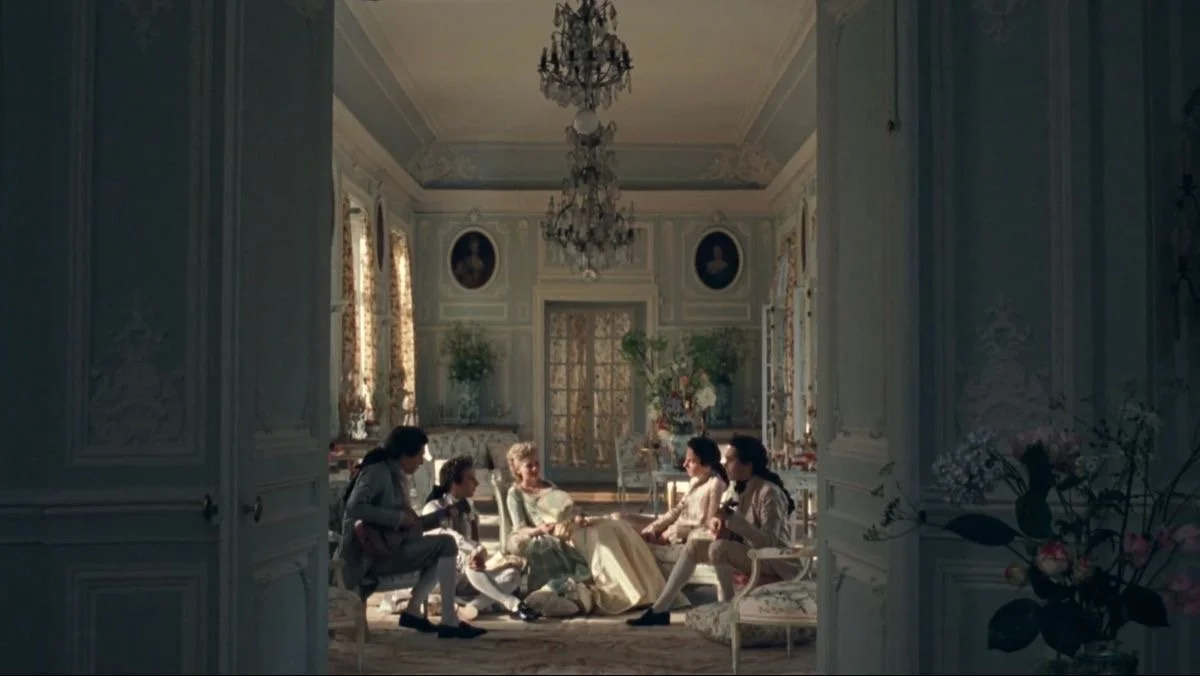
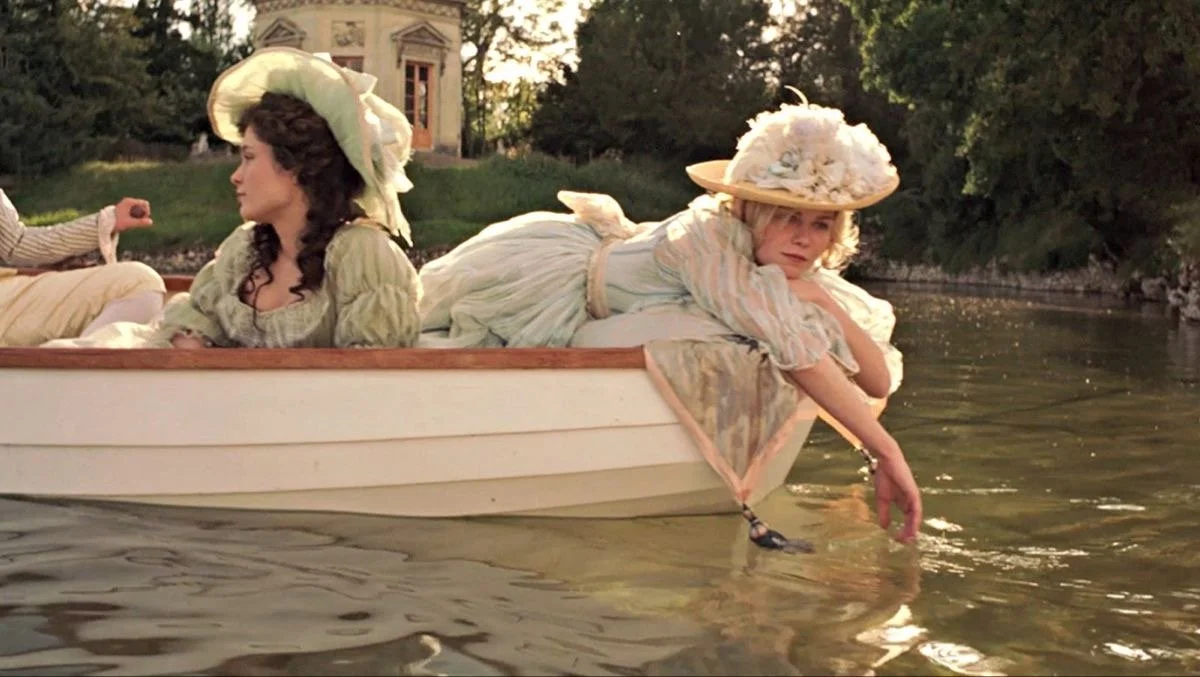
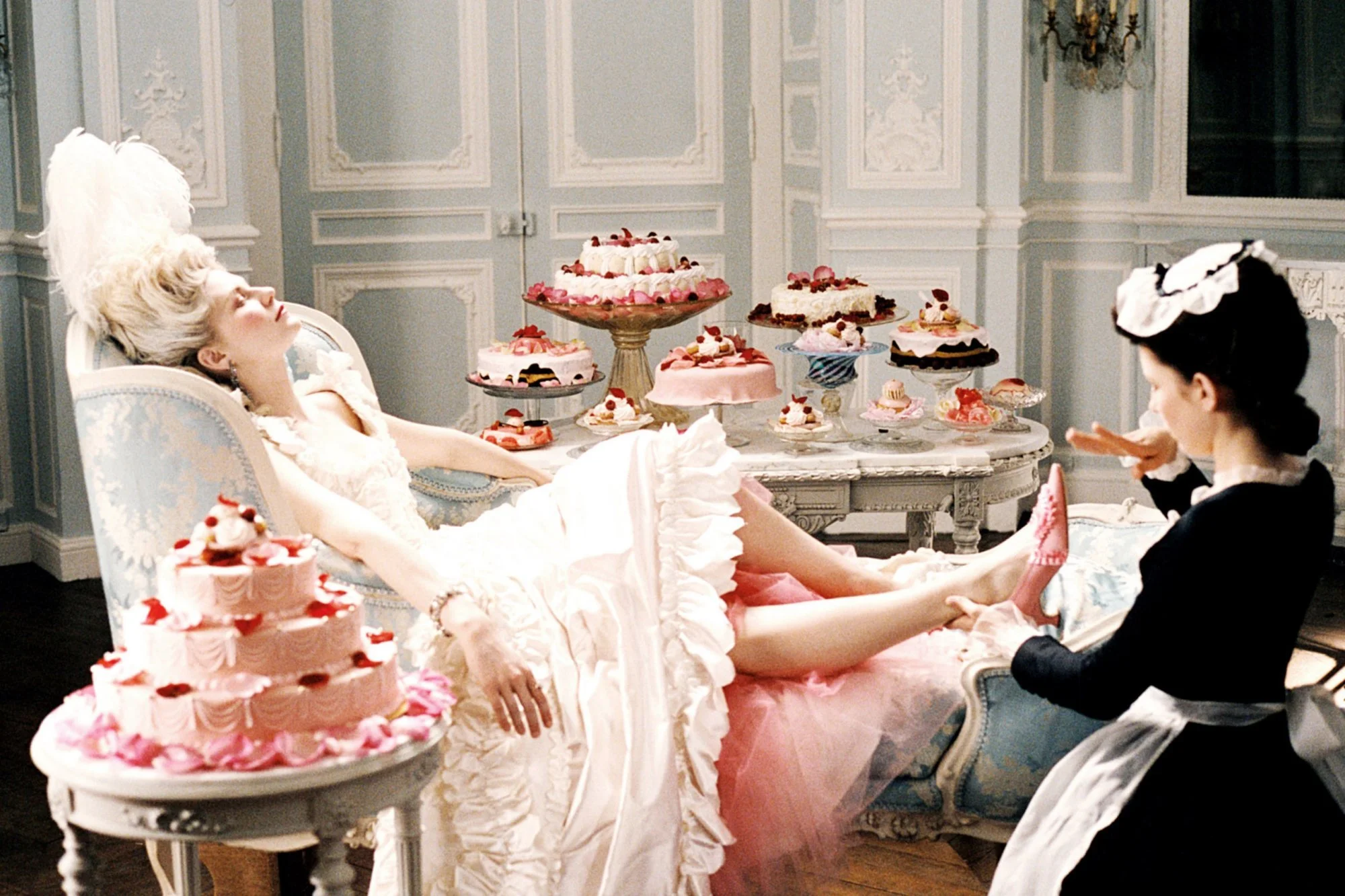
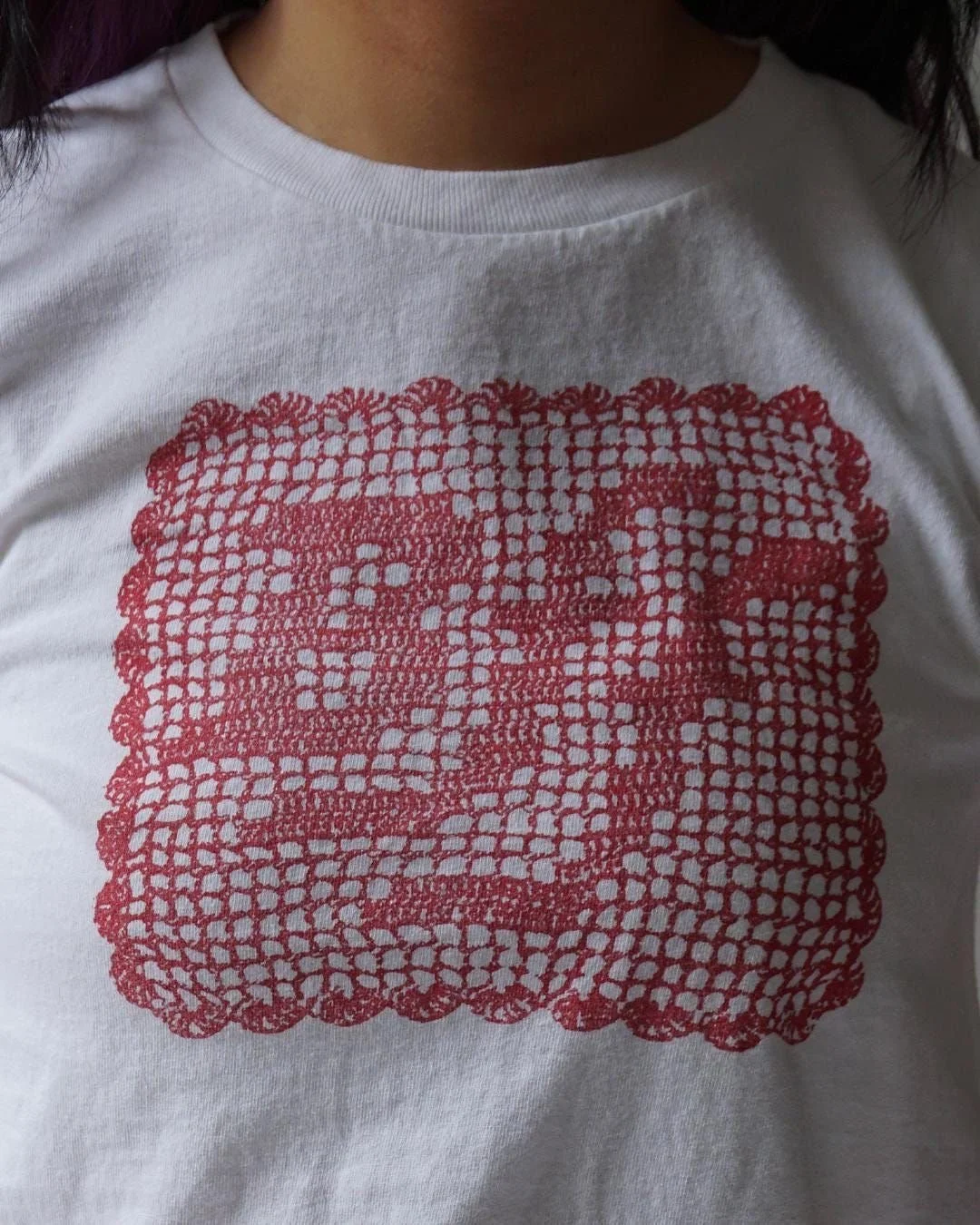
I already have a motif for the lace — a roll of wallpaper used in my family’s country house living room, which is very dear to me. Yesterday, while poking around the pattern itself, I realized it is incredibly fine, scattered and detailes, and translating it into lace might be a bigger challenge than I am ready for right now. After hitting this wall, I decided to re-watch Marie Antoinette (2006). Even though it's 20 years old this year, I enjoy every time how contemporary and truly beautiful that film is — the colors and the costumes. These are those rare occasions when I surrender to absolute romance and sickening beauty. I always fantasize about how easily this visual execution could be transplanted to our own Little Versailles in Rundāle.
And perhaps I need to experience this same moment of weakness while embroidering. I have a long list of samples ahead of me to try: net darning on tulle, more pulled-thread stitches, needle lace, broderie anglaise, and Richelieu. As a special birthday gift to myself, I am treating myself to a course in Luneville tulle embroidery.
The plan is to dip my toes into every stitch that resembles lace, overwhelm myself with Luneville bead and sequin work, and then, from that abundance, see what to do with the wallpaper pattern. This is my most serious research project since my studies at the Royal School of Needlework, and for now, I don't know where it will lead me; but knowing myself — ambition has always been my greatest weakness. 🙂
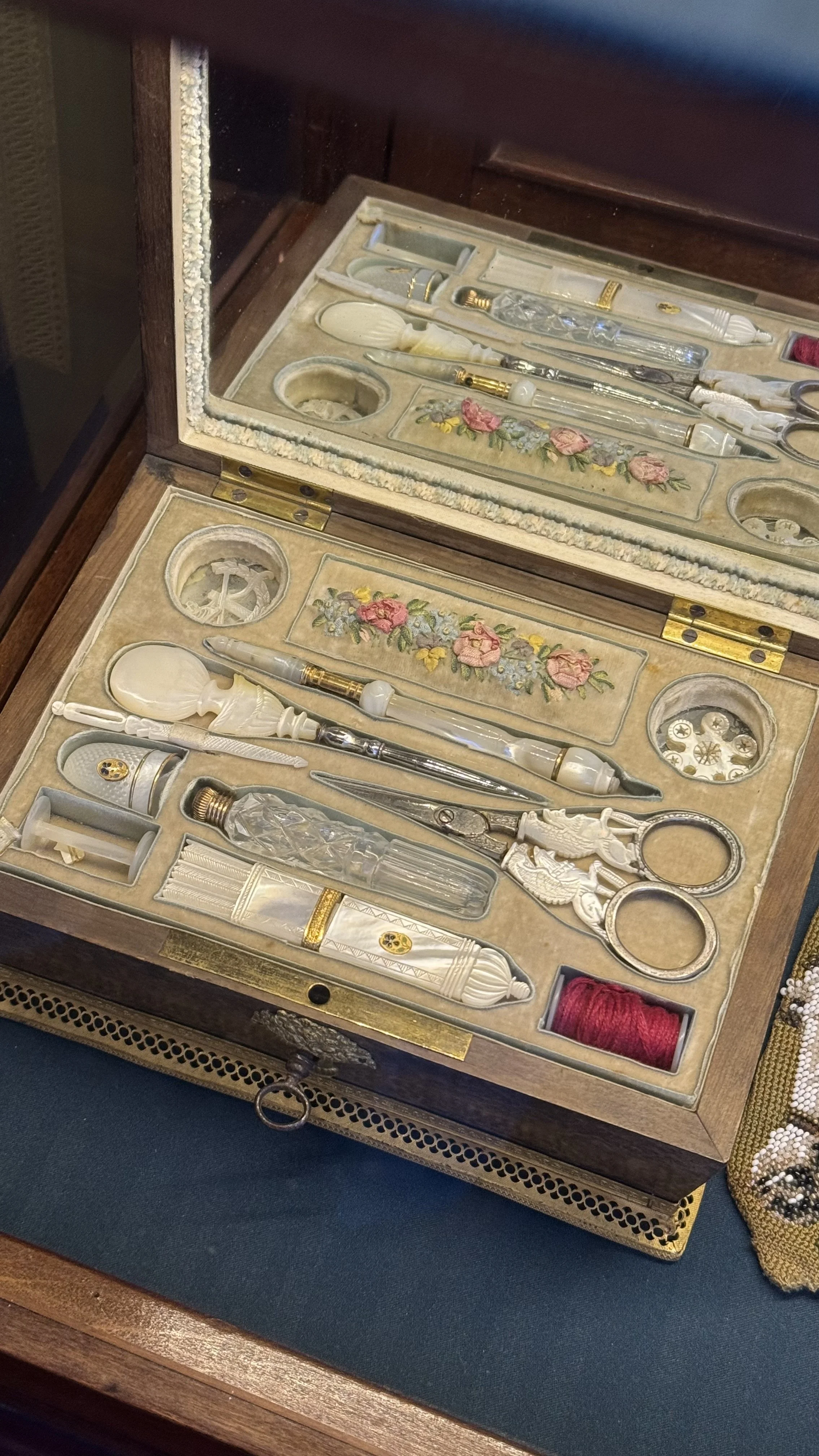
Images from our trip to Rundāle, and for a taste of inspiration from Pinterest.